

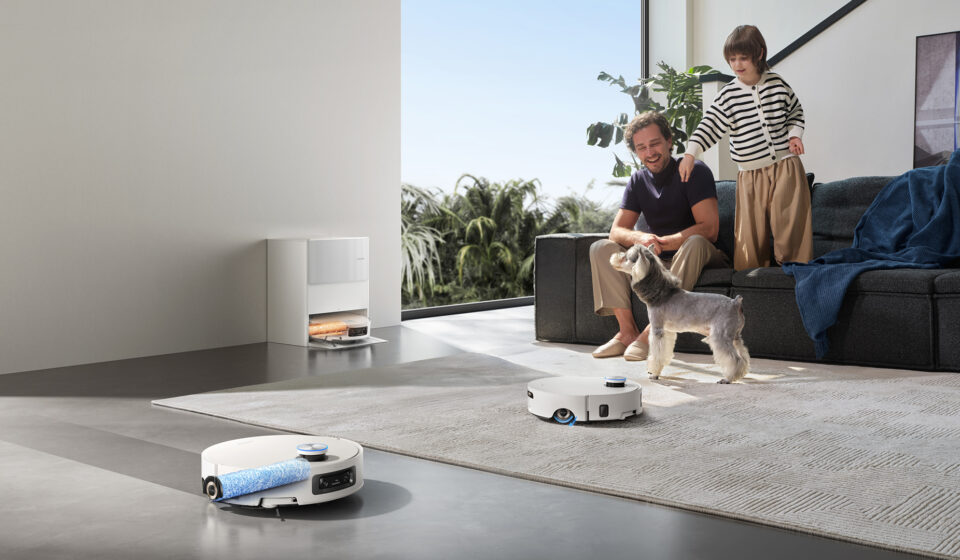

If you live in a modern open-concept home, you probably love your floor plan. Having rich hardwood in the living space that naturally transitions into durable kitchen tile—with a gorgeous area rug tying the room together—looks visually stunning. But when Saturday morning rolls around and it is time to clean, that beautiful mixed-flooring layout suddenly becomes a logistical nightmare.
Different materials demand entirely different cleaning methods. The soapy water that sanitizes your kitchen tile will permanently warp your expensive oak planks. Meanwhile, a wet mop pad will absolutely ruin a vintage Moroccan rug. For decades, the only way to safely clean a mixed-floor home was to juggle a broom, an upright vacuum, a string mop, and three different chemical sprays.
Thankfully, you can officially empty out that overflowing utility closet. By ditching outdated analog tools and upgrading to smart floor care technology, you can protect your expensive flooring investments and keep every room spotless.
Hardwood Floors: The Standing Water Threat
Wood flooring brings incredible warmth and value to a house, but it is notoriously fragile when it comes to moisture. The absolute biggest threat to your sealed hardwood, engineered wood, or laminate planks is a traditional mop and bucket.
When you slosh a heavy, wet mop across a wood floor, you are leaving too much standing water behind. It might look clean in the moment, but that excess moisture slowly seeps down into the microscopic seams between each board. Over time, this causes the wood to swell, cup at the edges, and permanently lose its smooth finish. Fixing warped wood usually means an incredibly expensive professional sanding job.
To safely wash hardwood, you need absolute precision. Modern hard-floor washers solve this by applying just enough fresh water to lift surface dust and sticky footprints, while a powerful internal vacuum immediately sucks the moisture back up. This extracts the dirt instantly and leaves your delicate wood planks bone-dry in seconds, completely eliminating the risk of water damage.
Kitchen Tile and Grout: The Heavy-Duty Zone
Unlike wood, ceramic and porcelain tiles are completely waterproof. You will usually find them in the highest-traffic areas of your home—like the kitchen or the mudroom—because they can handle dropped food, heavy grease, and muddy boots.
But tile has one massive weakness: the grout. Grout is highly porous, acting like a sponge for liquid and dirt. When you use a traditional sponge mop on a kitchen floor, you are not actually removing the grease. You are simply pushing a wave of dirty, contaminated water directly into the grout lines. That is exactly why your bright white grout eventually turns into a dingy, permanent gray.
To conquer a tile floor, you need aggressive scrubbing and instant extraction. This is exactly where a dedicated wet vac becomes mandatory. If a jar of marinara sauce shatters, or the dog tracks in spring mud, this machine handles it all in one pass. It vacuums up the solid chunks of glass and food while aggressively scrubbing the tile with fresh water. The extreme suction physically pulls the dirty water out of those shallow grout lines, keeping your floors looking brand new.
Cleaning Rugs and Carpets in Mixed-Floor Homes
The trickiest part of keeping an open-concept home clean is the transition zones. How do you keep the hard floors shiny without accidentally dragging a wet, dirty mop pad straight across your plush living room rug?
In the early days of smart home tech, this was a disaster. Homeowners had to lay down magnetic strips or build ugly physical barriers just to keep their automated sweepers away from the carpets.
Today, intelligent sensors have completely eliminated the transition trap. To safely clean a mixed-floor layout while you are at work, you need a modern robot vacuum and mop equipped with ultrasonic carpet detection. These advanced machines can actually “feel” the floor beneath them. When the device rolls off the kitchen tile and onto your living room rug, it instantly stops the water flow and physically lifts the wet mopping pad up into the air. At the exact same moment, it shifts its motor into high gear, boosting suction to pull deeply embedded pet hair out of the carpet fibers. Once it rolls back onto the hardwood, the pad lowers, and the gentle washing resumes.
Floor Cleaning Guide by Surface Type
Still trying to figure out what goes where? Here is a quick breakdown of how to safely treat the different surfaces in your home:
| Floor Material | Biggest Threat | The Safe Cleaning Strategy |
| Hardwood & Laminate | Excess water seeping into seams, causing warping. | Ultra-light, controlled moisture only. Immediate water extraction is mandatory. |
| Tile & Stone | Pushing dirty mop water into porous grout lines. | Aggressive wet scrubbing combined with heavy suction to pull dirt out of the grout. |
| Area Rugs & Carpets | Cross-contamination from wet, dirty mop pads. | High-suction dry vacuuming, with automated pad-lifting tech to prevent soaking. |
Your Zero-Damage Weekly Routine
You shouldn’t have to compromise the cleanliness of your kitchen just because you are terrified of ruining your living room rug. Here is how to put your multi-surface home on autopilot:
- The Daily Smart Sweep: Schedule your automated combo unit to run every single morning. Let it seamlessly transition between your carpets and hard floors, managing the daily dust and pet hair without any risk of soaking your rugs.
- The High-Traffic Scrub: Keep your manual wet extraction machine docked in the kitchen. Use it exclusively for immediate, heavy liquid spills and for a fast weekly scrub of your tile grout lines.
- Retire the Analog Tools: Throw away the string mop. By relying entirely on smart, moisture-controlled technology, you eliminate the risk of water damage and buy back hours of your weekend.
By understanding the unique physics of your flooring and adopting a tech-forward approach, you can maintain a magazine-worthy, spotless home—without ever worrying about ruining your expensive investments.