

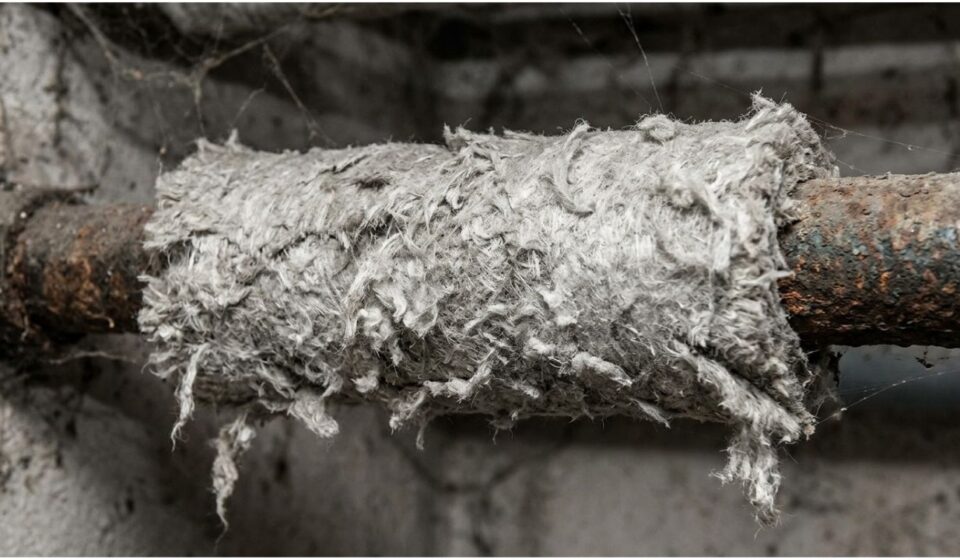

Asbestlint is a term associated with fine asbestos-containing fibers and dust particles that may be released from aging, damaged, or disturbed materials. Although asbestos was once widely used in construction and industrial applications because of its durability and heat-resistant properties, growing awareness of health concerns has led to strict regulations regarding its use and handling. Understanding asbestlint is essential for property owners, contractors, facility managers, and anyone involved in building maintenance or renovation projects.
As buildings age, materials containing asbestos can deteriorate and release microscopic fibers into the surrounding environment. These particles may become airborne and pose potential risks if not managed properly. Therefore, knowledge about identification, prevention, and safe handling practices remains critical.
What Is Asbestlint?
Definition of Asbestlint
Asbestlint generally refers to asbestos-related dust, debris, or microscopic fibers that originate from asbestos-containing materials. These fibers are often invisible to the naked eye and can remain suspended in the air for extended periods.
The presence of asbestlint is typically linked to damaged insulation, aging construction materials, renovation activities, or demolition projects where asbestos-containing products are disturbed.
Historical Background
Throughout much of the twentieth century, asbestos was commonly used in various industries due to its strength and resistance to heat, chemicals, and electricity. It was frequently found in:
- Pipe insulation
- Roofing materials
- Ceiling tiles
- Cement sheets
- Floor tiles
- Fireproofing products
While asbestos offered practical benefits, later research revealed significant health concerns associated with exposure to airborne fibers.
Why Asbestlint Is Important
Workplace Safety Concerns
One of the main reasons asbestlint remains a significant issue is its connection to occupational health and safety. Workers involved in construction, maintenance, demolition, and renovation activities may encounter environments where asbestos-containing materials are present.
Without proper precautions, disturbing these materials can release hazardous fibers into the air, increasing potential exposure risks.
Environmental Protection
Beyond workplace concerns, environmental contamination can occur when asbestos-containing waste is not handled correctly. Airborne fibers may spread beyond the immediate worksite, potentially affecting nearby communities and ecosystems.
Proper management practices help reduce environmental impact while maintaining regulatory compliance.
Common Sources of Asbestlint
Aging Building Materials
Older buildings are among the most common sources of asbestos-related particles. As construction materials deteriorate over time, the likelihood of fiber release increases.
Common sources include:
- Insulation systems
- Roofing products
- Textured coatings
- Wall panels
- Flooring materials
Regular inspections can help identify potential risks before significant deterioration occurs.
Renovation and Demolition Activities
Construction projects frequently disturb hidden asbestos-containing materials. Activities such as drilling, cutting, sanding, or removing building components can release fibers into the air.
This is why professional assessments are recommended before starting renovation or demolition work in older structures.
Industrial Facilities
Manufacturing plants, warehouses, and power stations built decades ago may still contain asbestos-based materials. Routine maintenance activities can sometimes expose workers to asbestos-related dust if proper procedures are not followed.
Health Risks Associated with Asbestlint
Respiratory Exposure
The primary concern surrounding asbestos-related fibers involves inhalation. When microscopic fibers enter the lungs, they can remain trapped within lung tissue for extended periods.
Long-term exposure has been linked to several serious respiratory conditions, highlighting the importance of prevention and control measures.
Importance of Exposure Prevention
Reducing exposure is the most effective way to minimize health risks. Employers, property owners, and contractors should prioritize hazard identification and safe work practices to protect occupants and workers.
Professional testing and monitoring play key roles in exposure prevention strategies.
How Asbestlint Is Identified
Professional Inspections
Identifying asbestos-containing materials often requires specialized knowledge and equipment. Certified inspectors perform evaluations using various techniques, including:
- Visual inspections
- Material sampling
- Laboratory analysis
- Air quality testing
These assessments help determine whether asbestos is present and whether corrective action is required.
Laboratory Testing
Laboratory analysis provides accurate confirmation of asbestos content. Samples collected during inspections are examined using specialized methods capable of detecting microscopic fibers.
This testing process supports informed decision-making regarding remediation and safety planning.
Effective Management of Asbestlint
Regular Monitoring
Routine inspections are essential for monitoring the condition of asbestos-containing materials. Early detection of damage can prevent the release of fibers and reduce remediation costs.
Monitoring programs should include documentation of material conditions and recommended actions.
Encapsulation Methods
In some situations, asbestos-containing materials can be safely managed without removal. Encapsulation involves applying specialized coatings that seal surfaces and prevent fiber release.
This approach is often suitable when materials remain stable and undamaged.
Controlled Removal Procedures
When removal is necessary, it should be performed by trained professionals following strict safety protocols.
Key steps include:
- Isolating work areas
- Using protective equipment
- Implementing air filtration systems
- Following approved disposal procedures
- Conducting final clearance testing
Professional removal minimizes risks and ensures compliance with applicable regulations.
Regulatory Requirements for Asbestlint Management
Government Guidelines
Many countries have established regulations governing asbestos identification, handling, transportation, and disposal. These rules are designed to protect public health and environmental safety.
Compliance requirements often include inspections, documentation, employee training, and approved remediation methods.
Employer Responsibilities
Organizations responsible for buildings or construction projects must take appropriate measures to protect workers and occupants.
Responsibilities typically include:
- Conducting risk assessments
- Providing safety training
- Supplying personal protective equipment
- Maintaining exposure records
- Following legal requirements
These actions contribute to safer workplaces and reduced liability risks.
Best Practices for Property Owners
Schedule Routine Inspections
Regular evaluations help identify potential issues before they become serious hazards. Older buildings should receive particular attention due to the increased likelihood of asbestos-containing materials.
Maintain Accurate Documentation
Keeping records of inspections, testing results, and remediation activities supports compliance efforts and simplifies future maintenance planning.
Hire Qualified Professionals
Certified asbestos inspectors and remediation specialists possess the expertise needed to manage asbestos-related concerns safely and effectively.
Professional assistance helps ensure proper handling and regulatory compliance.
Future Trends in Asbestlint Management
Advanced Detection Technologies
Innovations in testing and monitoring equipment continue to improve asbestos detection accuracy. Modern technologies allow faster assessments and more reliable results.
Increased Awareness and Training
Educational programs are helping property owners, workers, and organizations better understand asbestos-related risks and responsibilities.
Greater awareness contributes to safer practices across industries.
Sustainable Remediation Solutions
The future of asbestos management increasingly focuses on environmentally responsible remediation techniques that balance safety, efficiency, and sustainability.
These advancements are expected to improve both environmental protection and workplace safety outcomes.
Conclusion
Asbestlint remains an important concern in construction, facility management, and environmental safety. Understanding its sources, potential health risks, and proper management strategies is essential for protecting workers, building occupants, and surrounding communities.
Through regular inspections, professional testing, preventive maintenance, and compliance with safety regulations, organizations can effectively manage asbestos-related hazards. As technology and awareness continue to advance, safer and more efficient approaches to asbestos management will further strengthen health and environmental protection efforts.