
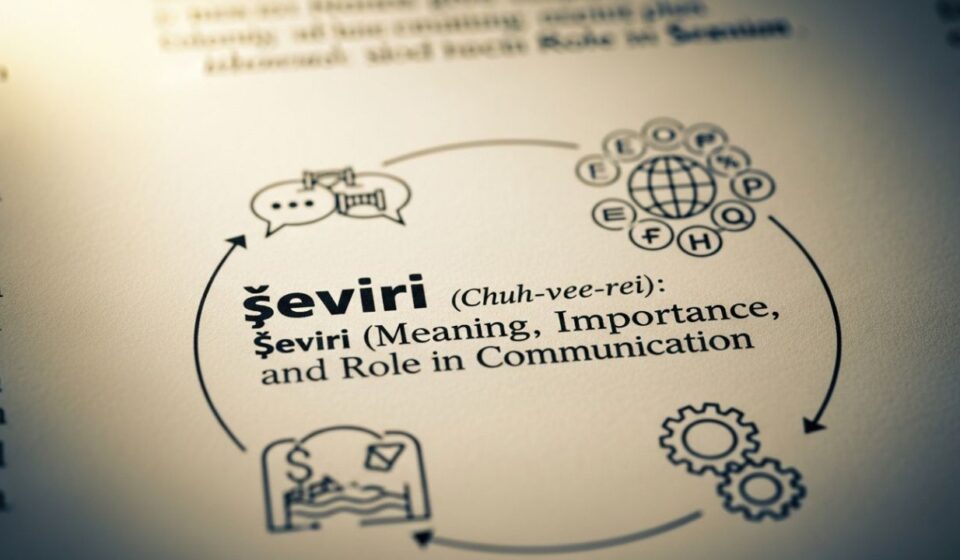

The concept of çbiri (çeviri), commonly understood as translation, plays a critical role in connecting people, cultures, and ideas across the world. In today’s globalized society, communication is no longer limited by geography or language barriers. Translation allows information to move freely between different languages, making knowledge accessible to everyone.
Whether in literature, business, education, or digital media, çeviri serves as a bridge that enables understanding between individuals who speak different languages. Without translation, global communication would be significantly limited.
Meaning of Çeviri (Çbiri)
The term çbiri (çeviri) refers to the process of converting written or spoken content from one language into another while preserving meaning, tone, and context.
Translation is not just about replacing words; it involves understanding cultural nuances, expressions, and intent. A good translation ensures that the original message is accurately delivered in the target language.
For example, idioms or cultural references often require adaptation rather than direct translation.
Importance of Çeviri in Global Communication
The role of çbiri (çeviri) in global communication cannot be overstated. It allows people from different linguistic backgrounds to share ideas, knowledge, and emotions.
One of the most important benefits of translation is accessibility. It makes books, websites, research papers, and media content available to a wider audience.
In international business, çeviri is essential for contracts, marketing, and communication between companies operating in different countries.
Without translation, global collaboration would be extremely limited.
Types of Çeviri (Translation)
There are several types of çbiri (çeviri) used in different fields:
1. Written Translation
This involves translating written texts such as books, articles, documents, and websites.
2. Oral Translation (Interpretation)
Interpretation is spoken translation used in meetings, conferences, and live events.
3. Technical Translation
Used in scientific, medical, and engineering fields where accuracy is extremely important.
4. Literary Translation
Focuses on novels, poems, and creative writing where style and emotion matter as much as meaning.
5. Machine Translation
Uses technology and AI tools to translate content automatically, such as online translation platforms.
Each type of çeviri requires different skills and expertise.
Role of Çeviri in Education
In education, çbiri (çeviri) helps students access knowledge from around the world. Many academic resources are written in different languages, and translation makes them understandable for a global audience.
Students often rely on translated textbooks, research papers, and online materials to expand their learning.
It also supports language learning by helping students compare meanings across languages.
Çeviri in Business and Technology
In the business world, çbiri (çeviri) is essential for international trade and communication. Companies use translation services to reach global customers, localize products, and build international partnerships.
In technology, translation has become even more advanced with the rise of artificial intelligence. Machine learning systems can now translate text in real time, making communication faster and easier.
However, human translators are still important for ensuring accuracy and cultural relevance.
Challenges in Çeviri (Translation)
Despite its importance, çbiri (çeviri) comes with several challenges:
- Maintaining original meaning
- Translating cultural expressions
- Handling complex grammar structures
- Avoiding misinterpretation
- Preserving tone and emotion
Some words or phrases do not have direct equivalents in other languages, which makes translation more difficult.
Human vs Machine Çeviri
With the advancement of technology, machine translation has become widely used. Tools like online translators provide quick results, but they are not always perfect.
Human translators offer deeper understanding, cultural awareness, and contextual accuracy. On the other hand, machines are faster and more efficient for simple tasks.
The best results often come from combining both human and machine translation methods.
Future of Çeviri
The future of çbiri (çeviri) is closely linked with artificial intelligence and digital communication. AI-powered translation tools are improving rapidly and becoming more accurate every year.
In the future, real-time translation may become more seamless, allowing people to communicate instantly across languages without barriers.
However, human expertise will still remain valuable for complex and creative content.
Conclusion
The concept of çbiri (çev iri) is essential in today’s interconnected world. It enables communication, supports education, strengthens business relationships, and promotes cultural understanding.
As technology continues to evolve, translation will become even more accessible and powerful, helping to unite people across languages and borders.