

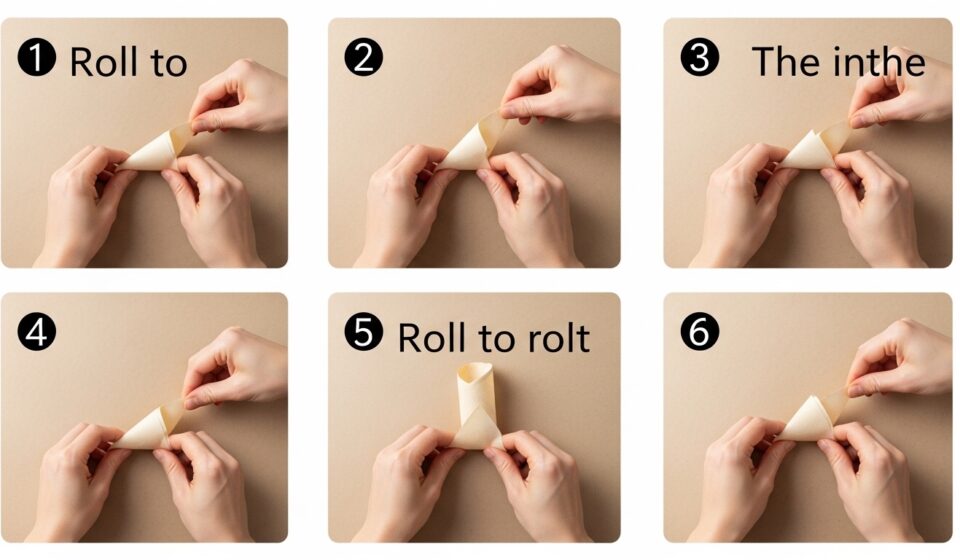

Rolling a perfect cone remains a hallmark of a seasoned enthusiast. While anyone can throw material into a paper and twist the ends, crafting a symmetrical, slow-burning cone requires a blend of technique and patience. A poorly rolled cone often leads to ‘canoeing,’ where one side burns faster than the other. This wastes your material and ruins the experience. This guide provides the exact steps to ensure your rolls are functional pieces of art.
Why the Cone Shape Reigns Supreme
How To Roll A Cone: Before grabbing your papers, you should understand why the cone shape is the gold standard. Unlike a standard straight cylinder, the cone allows for a progressive burn. Since the end you light is wider, it holds more material, creating a larger cherry. As you smoke, the tapering shape compensates for the increasing heat. This design results in a consistent flavor profile from the first puff to the last. Specifically, the physics of the cone facilitates better airflow, which prevents the paper from extinguishing mid-session.
The Aerodynamics of a Smooth Draw
Airflow dictates everything in a roll. A cone creates a natural vacuum effect. Because the mouthpiece is narrow and the tip is wide, the air accelerates as it moves toward you. This cooling effect makes the smoke smoother on the lungs. When you learn how to roll a cone properly, you are essentially engineering a better delivery system for your herbs.
Essential Tools for Success
How To Roll A Cone: You cannot build a house without a solid foundation. Similarly, you cannot roll a masterpiece with subpar supplies. Quality matters. High-end rolling papers are often thinner and made from organic materials like hemp or rice. These burn cleaner and do not leave a chemical aftertaste. You should also invest in a high-quality grinder. A consistent grind ensures that there are no air pockets that cause uneven burning.
- Rolling Papers: Look for king-size or 1 1/4 widths.
- Filter Tips (Crutches): These provide structural integrity and keep material out of your mouth.
- Grinder: Aim for a medium-fine consistency.
- Packing Tool: A small stick or even a pen works to compress the material.
- Rolling Tray: This keeps your workspace clean and saves every bit of material.
Preparing Your Material
The secret to a great cone starts before you even touch the paper. Your herb must be the right consistency. If it is too chunky, the cone will be lumpy and burn unevenly. If it is turned into powder, you will find it nearly impossible to pull air through the roll. Aim for a fluffy, uniform texture. Remove any stems or seeds immediately, as these can easily puncture thin rolling papers and create air leaks.
The Importance of Humidity
How To Roll A Cone: Dry material burns too fast and tastes harsh. Conversely, material that is too moist will not stay lit. Actually, keeping your herbs at a consistent 62% relative humidity is ideal for rolling. This moisture level makes the material ‘sticky’ enough to hold its shape during the tucking phase but dry enough to maintain a steady combustion rate.
Step 1: Constructing the Filter
The filter, often called a crutch, is the most important part of the cone. It acts as the anchor. To start, take a small strip of thin cardboard. Fold the first few millimeters into a ‘W’ or ‘M’ shape. Then, roll the remaining card around that fold. This structure prevents bits of herb from passing through while allowing maximum smoke flow. Ensure the filter is rolled tightly enough to stay together but wide enough to provide a sturdy base for your cone’s taper.
Step 2: The Initial Setup and Loading
How To Roll A Cone: Hold the rolling paper with the gummed (sticky) side facing you and at the top. Place your filter at one end of the crease. This is your starting point. Begin sprinkling your ground material along the crease. The key trick here is the distribution. Use less material near the filter and gradually increase the amount as you move toward the other end. This natural gradient is what creates the conical shape. If you put the same amount across the whole paper, you will end up with a cylinder, not a cone.
Step 3: The Pinch and Shape
Pick up the paper with both hands. Use your thumbs and index fingers to gently roll the paper back and forth. This process compresses the material into a solid log shape. Focus on making the material near the filter tight and secure. As you move your fingers toward the wider end, keep the pressure firm but not restrictive. You should feel the herb beginning to take the shape of a cone within the paper. This stage requires a delicate touch; too much pressure can tear the paper, while too little will result in a loose, floppy roll.
Step 4: The Critical Tuck and Roll
How To Roll A Cone: This is the moment where most people struggle. You must tuck the non-sticky side of the paper over the material and behind the filter. Start at the filter end. Once the paper is tucked behind the filter, use your thumb to guide the rest of the tuck along the length of the cone. Once tucked, roll the paper upward toward the gummed strip. This motion should be fluid. Specifically, ensure the paper is tight around the filter. If the filter is loose, the entire cone will lose its structural integrity. Lick the gummed strip lightly—excessive moisture can weaken the paper—and press it down firmly.
Step 5: Packing for Perfection
Now that your cone is sealed, it likely looks a bit empty at the top. Stand the cone upright, filter-side down. Use your packing tool to gently tamp down the material from the open end. Do not smash it down; simply tap it to remove any large air pockets. Add more ground herb to the top and pack again until the cone is full, leaving about half an inch of paper at the tip. This space allows you to twist the end, sealing the cone and creating a convenient ‘wick’ for lighting.
Troubleshooting Common Issues
Even pros face challenges. If your cone is ‘canoeing’ (burning down one side), it usually means the material wasn’t packed evenly. You can often fix this by applying a small amount of moisture to the side that is burning too fast. If the draw is too tight, you likely packed it too hard. Try massaging the cone gently between your fingers to loosen the interior. If the cone is too loose, it will burn away in seconds. In that case, it is often best to break it down and start over. Practice makes perfect, and every mistake is a lesson in tension and distribution.
The Advanced Backflip Technique
Once you master the basic roll, you might try the ‘backflip’ or ‘inside-out’ roll. This involves turning the paper so the glue strip faces down and away from you. You roll it in such a way that you only use exactly one layer of paper around the material. The excess paper is then licked and torn off (or burned off). This technique reduces the amount of paper you smoke, leading to a much cleaner flavor. It is difficult to master but highly respected among connoisseurs.
Mastering the Final Burn
When you are ready to light up, do not just stick the tip into a flame and inhale. Instead, hold the cone in your hand and apply heat to the twisted tip while rotating it. This ‘toasts’ the end and ensures an even ignition. Only after the tip is glowing red should you take your first pull. This patience ensures that the cone starts its life with a perfect, circular burn line that will likely continue all the way to the filter.
Enhancing Your Experience
Rolling a cone is more than a utility; it is a ritual. Take your time. Ensure your environment is calm and your hands are clean. Some people find that using a wooden rolling jig helps maintain the taper while they are learning. Others prefer to use pre-rolled cones and simply pack them. However, the satisfaction of hand-rolling your own cone is unmatched. It allows for total control over the density and airflow, tailored exactly to your preference. Using organic hemp papers and glass tips can further elevate the flavor profile of your material.
A Final Word on Technique
The journey to the perfect cone involves many torn papers and spilled herbs. Do not get discouraged. Focus on the ‘tuck’ at the filter, as that determines the success of the entire roll. By following these steps and paying attention to the details of airflow and compression, you will soon be rolling cones that rival those of any professional. Quality tools, premium papers, and a steady hand are your best allies in this craft. Enjoy the process as much as the result.
Frequently Asked Questions
Why does my cone always burn unevenly?
Uneven burning, or canoeing, is usually caused by inconsistent density. If one part of the cone is packed tighter than another, the air will take the path of least resistance through the looser side. Ensure your herb is ground uniformly and use a packing tool to eliminate air pockets.
What is the best type of paper for rolling cones?
Thin, unbleached hemp papers are generally considered the best. They offer a neutral taste and have a slight texture that makes them easier to grip during the rolling process. Rice papers are also excellent but can be more slippery and difficult for beginners to handle.
How tight should I pack my cone?
Your cone should feel firm but springy. If it feels like a solid stick, it is too tight and will be hard to pull. If it feels hollow or collapses when you touch it, it is too loose. A perfect pack allows for a slow burn while still providing an easy, effortless draw.
Can I roll a cone without a filter?
You can, but it is not recommended. A filter provides a handle, prevents material from entering your mouth, and keeps the end of the paper from getting wet and closing up. It also provides the structural base needed to maintain the conical shape.
How do I stop the paper from tearing?
Tears usually happen if the paper is too dry or if you are using too much force. Keep your papers in a cool, dry place. When rolling, use the pads of your fingers rather than your nails, and maintain a gentle, consistent tension rather than pulling sharply on the paper.
Also visit