

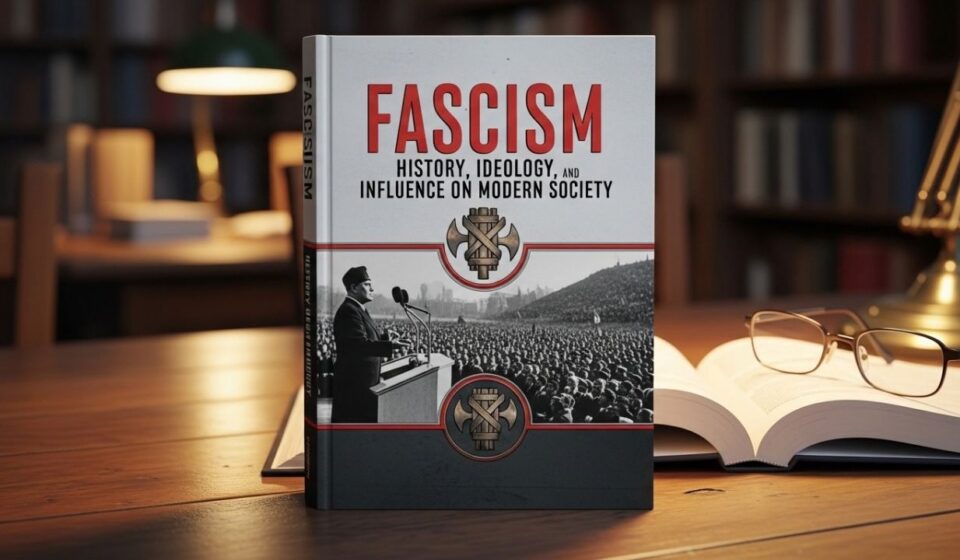

The term fascisterne is often used to describe supporters or followers of fascism, a political ideology that emerged in Europe during the early twentieth century. Fascism became one of the most influential and controversial political movements in modern history, shaping governments, societies, and international relations. Understanding fascisterne requires an examination of their origins, beliefs, historical role, and continuing relevance in contemporary political discussions.
The study of fascism remains important because it offers valuable lessons about political power, nationalism, governance, and the protection of democratic institutions. By exploring the history and development of fascisterne, readers can gain a deeper understanding of how political ideologies influence societies and shape historical events.
The Origins of Fascisterne
The rise of fascisterne can be traced to the aftermath of World War I. Many European nations faced severe economic problems, social unrest, and political instability. Inflation, unemployment, and dissatisfaction with existing governments created an environment where radical political movements gained support.
During this period, fascist groups presented themselves as alternatives to traditional political systems. They promoted strong leadership, national unity, and centralized authority as solutions to the challenges facing their countries. These ideas attracted individuals who believed decisive action was necessary to restore stability and national pride.
As support grew, fascisterne became increasingly influential in public life. Their movements expanded through political campaigns, public gatherings, and organized efforts to build national support.
Core Beliefs Associated with Fascisterne
To understand fascisterne, it is important to examine the main principles that define fascist ideology.
Strong Centralized Leadership
One of the most significant beliefs among fascisterne is the need for strong leadership. Fascist movements typically support a centralized government led by a powerful authority figure. Advocates argue that concentrated leadership allows for quicker decision-making and greater national unity.
Nationalism and National Identity
Nationalism is a central element of fascist ideology. Fascisterne often emphasize loyalty to the nation above individual interests. They promote the idea that citizens should work collectively toward national goals and maintain a strong sense of cultural identity.
Opposition to Political Pluralism
Historically, fascist movements have opposed political systems that encourage multiple competing viewpoints. Fascisterne generally believe that political divisions can weaken a nation. As a result, fascist governments have often restricted opposition groups and limited political competition.
Social Discipline and Order
Maintaining social order is another key objective. Fascisterne frequently advocate strict laws, organized social structures, and strong institutions designed to reinforce stability and authority throughout society.
The Rise of Fascisterne in Europe
The growth of fascisterne accelerated during the 1920s and 1930s. Economic hardship and political uncertainty created opportunities for movements promising national renewal and economic recovery.
Political leaders associated with fascism used speeches, propaganda campaigns, and public events to attract supporters. These efforts helped create a sense of unity among followers and reinforced loyalty to the movement.
As fascist organizations gained power, they often increased government control over public institutions. Education systems, media outlets, and cultural organizations were frequently used to promote official messages and strengthen public support.
Fascisterne and Government Structures
Centralized Political Authority
A defining characteristic of governments influenced by fascisterne is the concentration of political power. Decision-making authority is often placed in the hands of a small group of leaders or a single ruling figure.
Reduced Democratic Participation
Many historical fascist governments limited democratic processes. Elections, political parties, and legislative institutions frequently operated under significant restrictions, reducing opportunities for public opposition.
State Influence on Society
Governments associated with fascisterne often sought to influence various aspects of social life. Public institutions were encouraged to support national objectives and reinforce ideological principles.
The Social Impact of Fascisterne
The influence of fascisterne extended beyond politics and affected many areas of everyday life.
Education and Youth Development
Educational systems were often redesigned to promote loyalty, patriotism, and support for government policies. Young people were encouraged to embrace values that aligned with national objectives.
Media and Information Control
Media played an important role in advancing political goals. Newspapers, radio broadcasts, and other communication channels were frequently monitored to ensure consistency with official viewpoints.
Cultural Influence
Art, literature, and entertainment were sometimes used to reinforce ideological themes. Cultural activities often highlighted national achievements, historical traditions, and collective identity.
Fascisterne and International Relations
The actions of fascisterne had a major impact on global politics during the twentieth century. Many fascist governments pursued ambitious foreign policies designed to increase national influence and expand territorial control.
These policies contributed to international tensions and conflicts that affected countries around the world. Diplomatic relationships changed significantly as nations responded to shifting political circumstances and emerging security concerns.
The consequences of these developments influenced international institutions, alliances, and diplomatic strategies for many years afterward.
Lessons Learned from the History of Fascisterne
The history of fascisterne continues to provide important lessons for modern societies.
Importance of Democratic Institutions
Strong democratic institutions help prevent excessive concentrations of power. Transparent governance, accountability, and public participation contribute to political stability and protect citizens’ rights.
Protection of Civil Liberties
Freedom of speech, freedom of the press, and freedom of association play essential roles in democratic societies. These rights encourage open discussion and allow citizens to participate actively in public life.
Understanding Historical Warning Signs
Studying fascisterne helps people recognize conditions that may contribute to the rise of authoritarian movements. Historical awareness promotes critical thinking and informed decision-making.
Fascisterne in Modern Discussions
Although fascism emerged more than a century ago, discussions involving fascisterne remain relevant today. Historians, political scientists, and educators continue examining the factors that contributed to the growth of fascist movements and their long-term effects.
Modern debates often focus on nationalism, political polarization, democratic resilience, and the protection of civil liberties. Understanding historical examples helps provide context for these conversations and encourages thoughtful engagement with contemporary issues.
Educational institutions and research organizations continue studying fascism to ensure that future generations understand its historical significance and societal impact.
Why Learning About Fascisterne Matters
Studying fascisterne is valuable because it provides insight into how political ideologies develop and gain influence. It also highlights the importance of maintaining democratic values, protecting individual freedoms, and encouraging civic participation.
Historical knowledge helps societies better understand the consequences of political decisions and the responsibilities associated with citizenship. By learning from the past, communities can work toward more stable, inclusive, and democratic futures.
Conclusion
The story of fascisterne is closely connected to major political and social developments of the twentieth century. Emerging during a time of instability, fascist movements gained support through promises of national strength, unity, and strong leadership. Their influence shaped governments, societies, and international relations in ways that continue to be studied today.
Understanding fascisterne allows readers to examine important historical lessons about power, governance, and civic responsibility. Through continued education and awareness, societies can better appreciate the value of democratic institutions and the importance of protecting fundamental freedoms for future generations.